Wine Cooler Humidity: Why Your Bottles Are Drying Out (and How to Fix It)
If your corks are receding or your labels are peeling, your wine cooler's humidity is off. Here's the target range, the common causes, and what actually works.
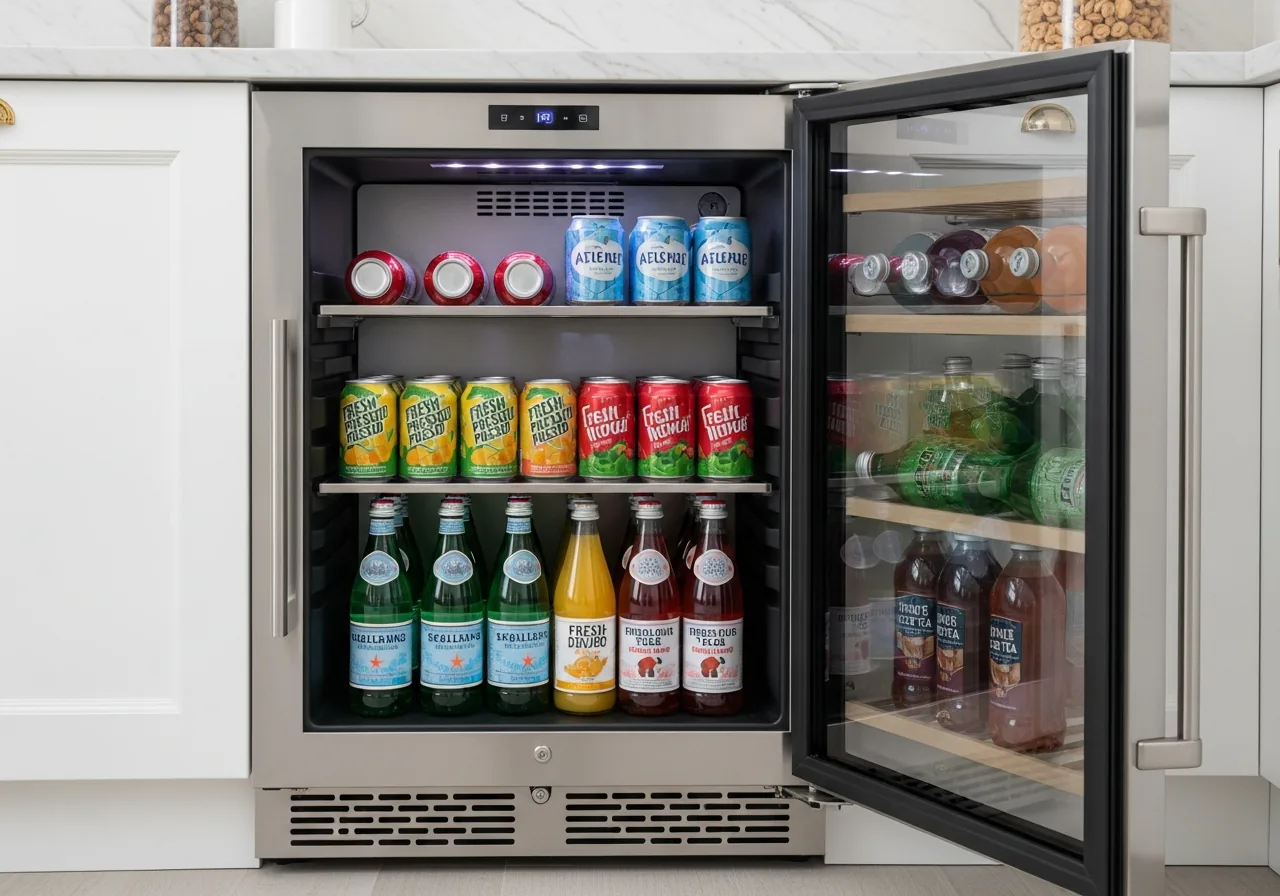
A wine cooler is not a beverage refrigerator — it is a humidity-controlled environment designed to keep corks pliant and labels intact for years. When that humidity drifts out of the target range, the symptoms appear slowly: a label edge peeling, a cork that has receded a few millimeters into the bottle, a faint vinegar note when you finally open a bottle you have been saving. By the time you notice, you have probably lost some inventory.
The Target Range
Sub-Zero, Thermador, and Miele all spec wine coolers for 50-70% relative humidity, with 60% as the ideal target. Below 50%, corks dry and shrink. Above 75%, you get mold growth on labels and the inside of the cabinet. Most quality units hold ±5% of setpoint passively, with no active humidification — they rely on the cooling coil's natural condensation cycle to maintain moisture.
Why Humidity Drops
1. Door seal compromise
The #1 cause we diagnose. The magnetic gasket loses tension after 6-8 years, particularly at the bottom of the door where it sees the most flexion. Test by closing the door on a dollar bill — if you can pull the bill out without resistance, the seal is leaking. A new gasket runs $200-$350 installed and restores humidity within 48 hours.
2. Frequent door opening
Each door opening exchanges humid cabinet air for dry kitchen air. Coastal OC homes running aggressive AC (Newport Beach, Laguna) can see kitchen humidity below 35%, which makes recovery slower. If you are pulling bottles daily, consider a smaller secondary cooler for your daily-drinkers and a larger long-storage unit you only open weekly.
3. Failing evaporator or fan
If the cooling system cannot run a normal cycle — usually because the evaporator fan is failing or the temperature sensor is off — the unit will not produce the condensation needed to maintain humidity. Symptom: temperature reads correctly but humidity is consistently low. This requires a tech.
Why Humidity Climbs Too High
Less common, but we do see it. Usually one of three things:
- A drain line clog forcing condensate back into the cabinet rather than out to the evaporator pan.
- A door not closing fully due to a worn hinge, drawing humid kitchen air in continuously.
- A defrost cycle running too long because of a failing thermostat, melting frost into standing water.
What Actually Works to Restore Humidity
Forget the 'put a glass of water in the cabinet' advice. It does not move the needle on a properly sealed unit and on a leaking unit it just feeds the leak. The real fixes:
- Test and replace the door gasket if it fails the dollar-bill test.
- Verify the hinge alignment and tighten the door catch if needed.
- Run a service cycle to clear the defrost drain.
- If the cooling system is suspect, have a tech check evaporator temperature against setpoint with a manifold gauge set.
If your humidity readout shows below 45% or above 75% for more than 48 hours after addressing the door seal, the unit needs professional diagnosis. Continuing to store premium bottles in those conditions is genuinely risky.
Storage Habits That Affect Humidity
Beyond mechanical issues, a few storage habits influence cabinet humidity more than people realize. A fully stocked cooler holds humidity better than a half-empty one because each bottle adds thermal mass that slows the air exchange when the door opens. If you regularly run your cooler at 30% capacity, the humidity will drift lower than spec even on a perfectly functioning unit. Either keep the cooler closer to 70-80% full or accept that you will need more frequent door-seal inspections to keep humidity in range.
Bottle orientation also matters. Wine bottles stored horizontally keep the cork in contact with the wine, which keeps the cork pliable from the inside. Vertical storage leaves the cork to dry out from above regardless of cabinet humidity, which is fine for short-term storage of bottles you will open within a year but problematic for anything you are aging. If your cooler is a vertical-display model designed for short-term storage and you are using it for long-term aging, the bottle orientation is working against you.
Cooler Placement and Ambient Conditions
The room your cooler lives in matters too. A built-in wine cooler in a butler's pantry that runs 75-78°F most of the day will struggle harder than the same unit in a climate-controlled main kitchen at 70°F. Heat dumped out the front of the cooler has nowhere to go in a tight cabinet pocket without proper ventilation clearance — Sub-Zero, Thermador, and Miele all spec a minimum cabinet opening with rear ventilation that installers occasionally cut tight to make a panel fit. If your humidity numbers are drifting and the unit is recent, ask us to verify the install meets the manufacturer's ventilation spec before chasing parts.
Akra Appliance Repair services every major built-in wine cooler brand in Orange County including Sub-Zero, Thermador, Miele, True Residential, and U-Line. Call (909) 455-9966 to schedule a humidity diagnostic.
More From the Blog
Sub-Zero Ice Maker Not Working? The 7-Point Diagnostic We Run Before Replacing Anything
Wolf Oven Not Heating Evenly? Here's What's Actually Going On
Viking Refrigerator Has Warm Spots? Here Are the 5 Causes We See Most
Miele Dishwasher Error Codes Explained: F11, F12, F14, F18 and What They Actually Mean
Sub-Zero vs Thermador Built-In Refrigerators: An Honest Comparison From the People Who Repair Both